James & James Solid Wood Furniture Review
American-made solid wood, custom-designed to your dimensions and finish. Heirloom construction with genuine configurability — you're commissioning furniture, so plan around build time.

- Material
- Solid hardwood
- Made in
- USA, handcrafted
- Model
- Custom-designed to order
Reasons to buy
- Solid wood, handcrafted in the USA
- Custom sizing and finish rather than fixed SKUs
- Joinery quality visibly above mass-market assembly
- Built to be repaired and refinished, not replaced
Reasons to avoid
- Made-to-order lead times
- Custom work costs custom money
- Solid wood is heavy and awkward to move
The furniture market has spent two decades teaching people that a dining table is a five-year consumable. James & James sells the older idea: solid American hardwood, built by hand, sized and finished to your specification, made to be refinished by your children rather than replaced by you. The pitch sounds sentimental right up until you count how many disposable tables one household buys across the same span of years.
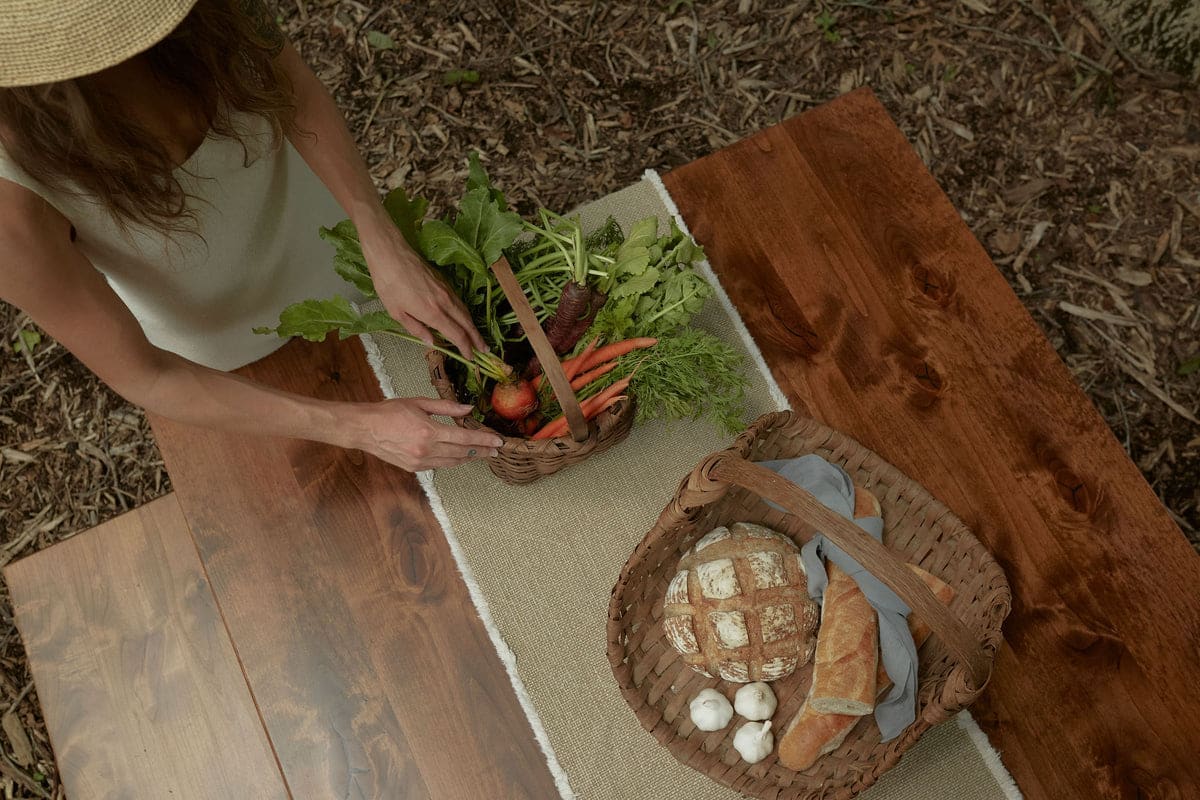
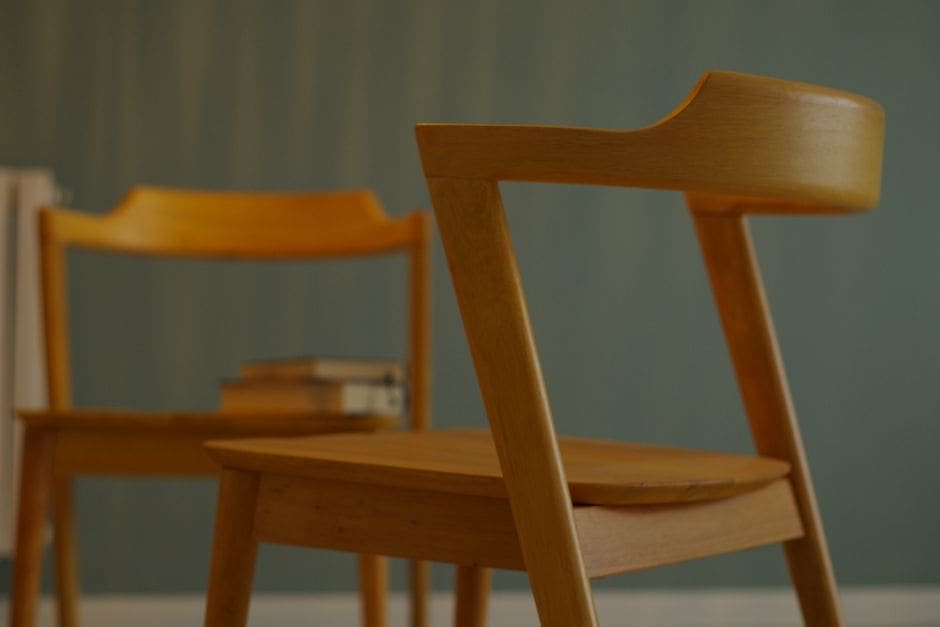
Construction is where the money goes and where it shows. Joinery is cut to hold under seasonal wood movement, surfaces are finished to take daily use rather than to photograph well, and the pieces carry the specific density that tells you nothing inside is engineered board. That heft isn't romance — mass and sound joints are what let a table shrug off decades of chairs bumping its legs and elbows leaning on its edges without working loose.
The solid-versus-veneer distinction is worth understanding, because showroom lighting hides it. Veneered furniture is a thin skin of real wood over particleboard or MDF, and on delivery day it can look identical to solid stock. The difference is everything that happens afterward: veneer can chip through to the substrate, and it tolerates at best one cautious refinish before the skin sands through — while solid hardwood can be sanded, repaired and refinished repeatedly across its whole life. One is a surface pretending to be a material; the other is the material. Neither is a scam — veneer has legitimate uses in stable panels — but the two should not be priced alike, and they should certainly not be kept alike.
Custom sizing is the underrated feature — the difference between a table that fits your room and one your room accommodates. Real houses have awkward walls, tight walkways and windows that veto standard dimensions, and mass retail's answer is to make you live with the mismatch. A maker who builds to your measurements removes the compromise at the design stage, which is the one stage where fixing it costs nothing. It's also what makes a commissioned piece feel commissioned — furniture built for your wall reads differently in a room than furniture your wall merely tolerates.
The trade-offs are inherent to made-to-order. Lead times are real; a commissioned piece is not an impulse purchase, and you should plan around a build queue rather than a shipping estimate. Custom work carries custom pricing. And solid wood is heavy — a fact you'll rediscover on moving day, and a fair reason for frequent movers to wait until they're settled before commissioning anything.
The value argument is duration. Across the twenty-year horizon that solid wood actually serves, the per-year cost undercuts replacing veneer furniture three times over — and you end the period with a piece worth keeping, and worth repairing, instead of three trips to the curb. Furniture bought this way stops being a recurring expense and becomes something closer to infrastructure. That's the frame we'd bring to the price tag: not 'expensive table' but 'last table', which is a different purchase entirely.
How we tested
The James & James Solid Wood Furniture was scored against the same written rubric we apply to every Solid Wood Furniture product — real-world performance, build quality, ease of use, upkeep and value. Full protocol on our How We Test page.