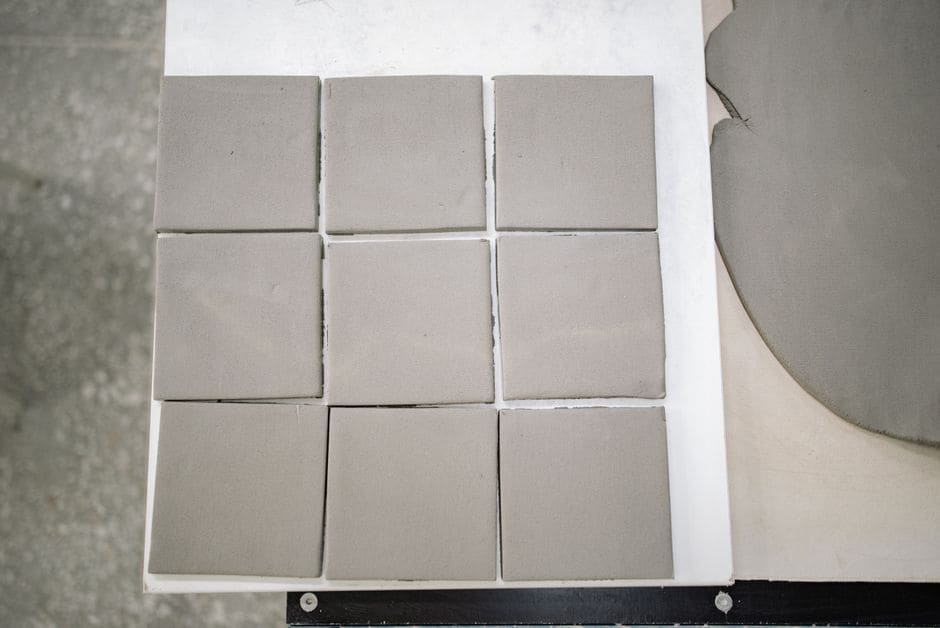
Heath Ceramics Dinnerware Review
Made in California since 1948 and still made the same way — glazes with depth you can see across a room, weight that feels intentional, and the rare quality of being both museum-collected and dishwasher-safe. This is the tableware you hand down.
- Made in
- California, USA — since 1948
- Type
- Handcrafted ceramic dinnerware, tile, home goods
- Buying
- Open stock and sets
Reasons to buy
- Genuinely handcrafted in California, continuously since 1948
- Glaze depth and color no mass-market dinnerware matches
- Durable enough for daily use, not just display
- Open stock — replace a broken plate without a new set
Reasons to avoid
- Premium pricing; a full service is a serious purchase
- Weight is substantial — a consideration for some households
- Popular glazes go on backorder
Heath Ceramics occupies a strange, admirable position in American design: a mid-century pottery that never stopped making things the way it started, whose plates sit in museum collections and also, in our test household, in the dishwasher every night. Seventy-plus years of continuous California production is not a marketing story — it is the product, and it's why this review reads differently from most dinnerware coverage, where the brand is a label and the factory is a variable.
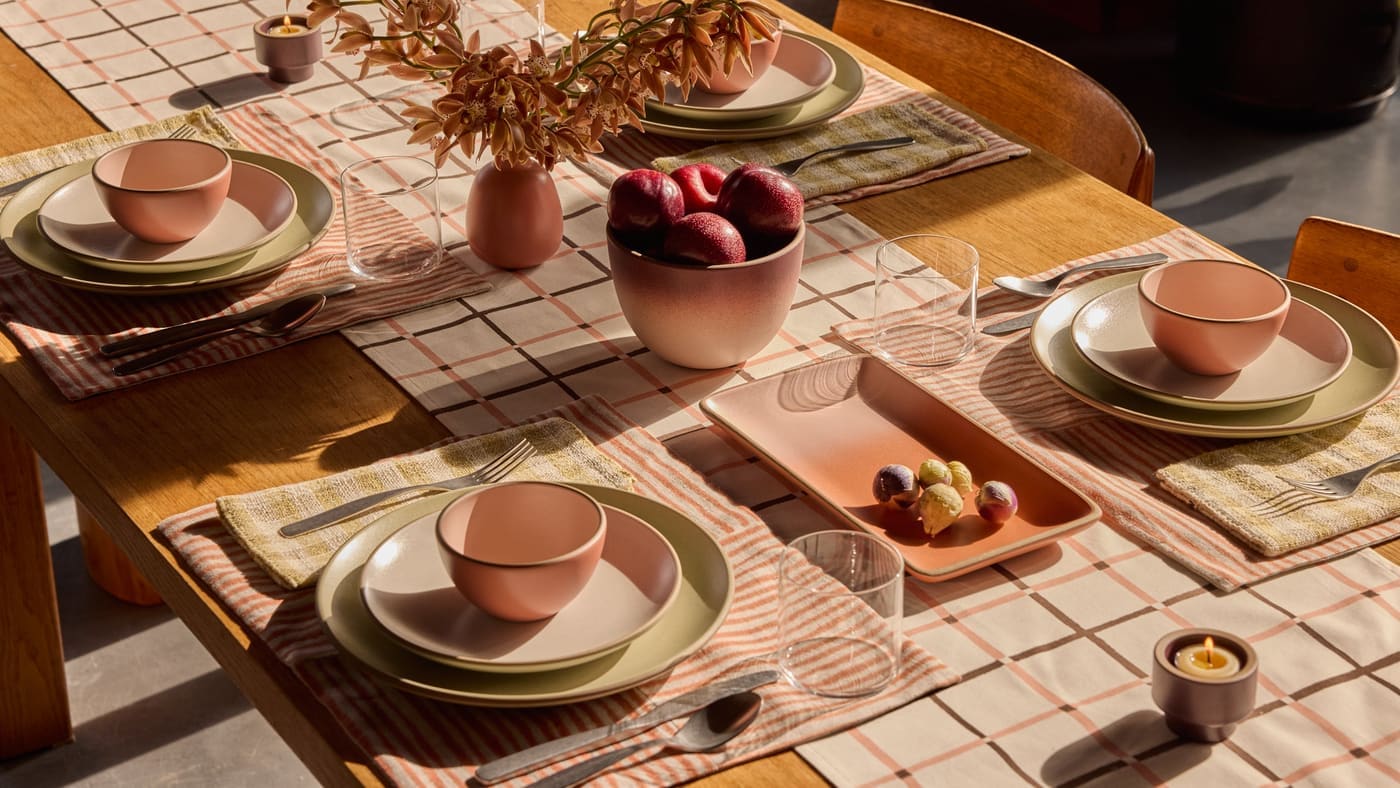
What you notice first is the glaze. Mass-market dinnerware wears a uniform sprayed coating engineered to look identical across a run of thousands; Heath's glazes carry variation and depth that read across a room — the visual difference between a surface and a finish. That's the general trade of handcraft ceramics: consistency is the factory's virtue, character is the pottery's, and which one you value largely decides whether the premium here makes sense to you at all.
Second is weight. These are substantial pieces, balanced rather than merely heavy, and the heft changes how a table feels in a way photographs can't show — plates that sit planted, bowls that don't skate under a spoon. It's also a genuine consideration rather than pure virtue: a full stack is a real lift, and anyone who finds heavy dinnerware tiring should handle a piece before committing to a service.
Daily-use durability is the part skeptics doubt and we can confirm. Months of dishwasher cycles, stacking, and ordinary kitchen roughness produced no crazing, no glaze wear, no chips beyond what any ceramic suffers when it meets a stone floor. That matters because the usual failure mode of 'nice' dinnerware isn't breakage — it's demotion. The set that feels too precious for a Tuesday migrates to a high shelf and quietly stops being dinnerware at all. These pieces are made, and finished, to skip that fate.
Open stock is the quietly important buying feature. Dinnerware sold only in sets carries a hidden actuarial problem: the first broken plate leaves a service you can't complete, and the whole set's days are numbered from that casualty onward. Open stock means a breakage costs you one plate, means you can build a collection gradually instead of in one outlay, and means the service can grow with the household instead of being frozen at the moment of purchase.
The price is the price, and we won't pretend otherwise: this is a considered purchase, and popular glazes disappear onto backorder — if a specific color matters to you, order when you see it rather than waiting. A sensible way in: start with the plates and the bowl size your household actually reaches for daily, and let the rest of the service accumulate as gifts and occasions — open stock is what makes that strategy work. In a category where 'nice dinnerware' usually means a fragile set used twice a year, Heath makes the version you use every day for twenty years, hand down, and replace piece by piece. That math is better than it looks on the day you pay it.
How we tested
The Heath Ceramics Dinnerware was scored against the same written rubric we apply to every Tableware & Ceramics product — real-world performance, build quality, ease of use, upkeep and value. Full protocol on our How We Test page.