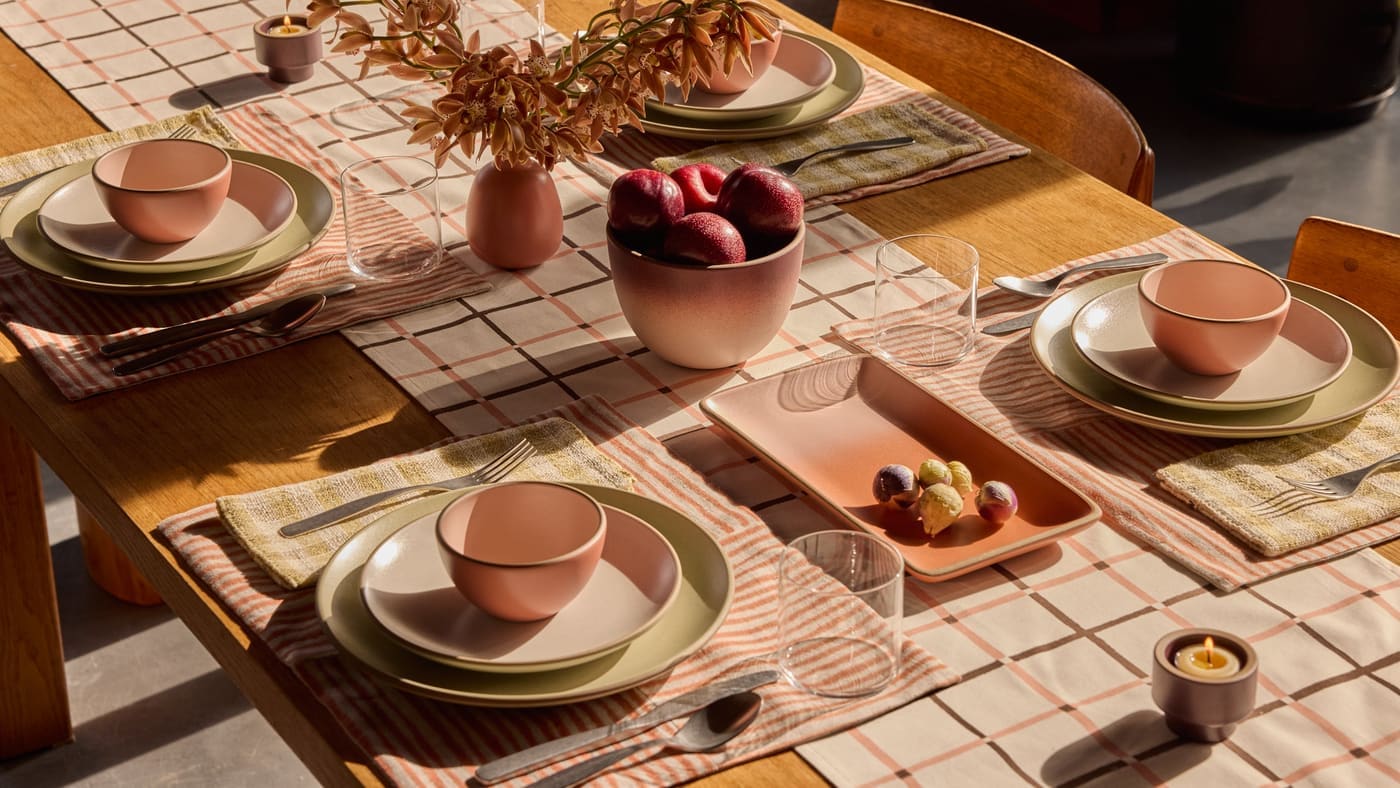
Heath Ceramics Tile Review
Handmade California tile from the same glaze tradition as the dinnerware — the surface treatment that turns a kitchen backsplash into the reason people photograph the kitchen. Specify it early; this is a renovation decision, not a shopping one.
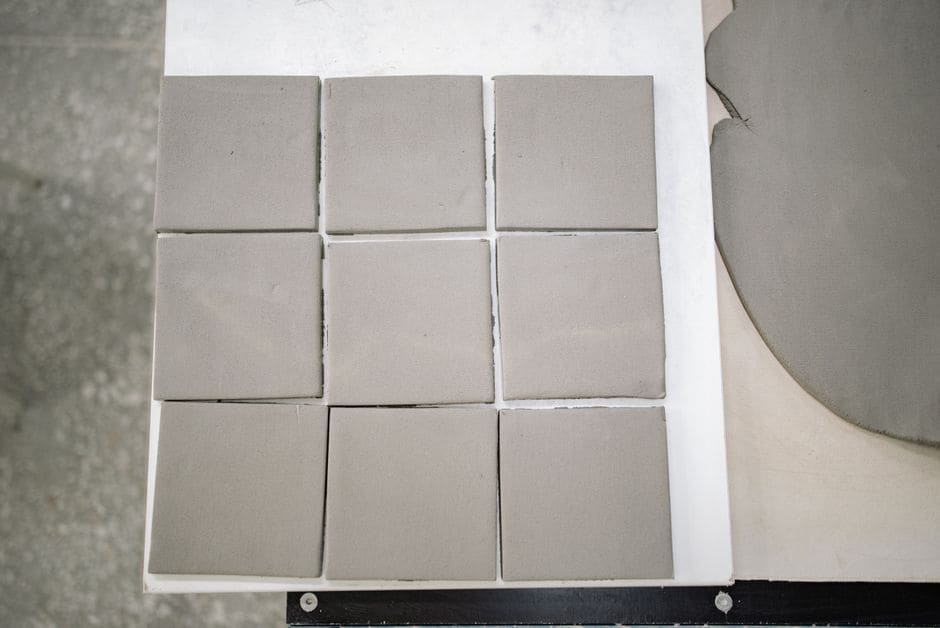
- Made in
- California, USA
- Type
- Handmade ceramic tile
- Use
- Backsplashes, feature walls, floors per spec
Reasons to buy
- Glaze depth and colour variation no factory tile matches
- Made in California to the same standard as the dinnerware
- Ages as a feature rather than dating
- Design support for specifying patterns and layouts
Reasons to avoid
- Premium tile pricing before installation
- Handmade variation requires an experienced installer
- Lead times mean planning around the build schedule
There is a category of renovation decision that quietly determines how a room feels for twenty years, and tile is at the top of it. Cabinets get repainted and counters get replaced, but tile comes off a wall only through demolition — which is exactly why this surface deserves the most deliberate material decision in the room. That permanence changes the shopping question from 'what do I like' to 'what will I still like', and it's where material depth beats printed pattern. Heath's tile comes out of the same California glaze practice as the dinnerware, and the difference against factory tile is the same: variation and depth in the surface, a wall that reads as material rather than as covering.
That handmade variation is both the appeal and the requirement. Colour and dimension shift subtly across a batch — which is what makes the finished wall feel alive instead of printed — and it means the installer needs to understand handmade tile, blending across boxes rather than working sequentially through them. Hire accordingly, and say the words 'handmade tile' when you do; a great tile badly set is a permanent disappointment, and this is not the project for the cheapest bid. In practice that means asking to see an installer's previous handmade work, not just their license — the skill is specific, and plenty of technically capable tilers have never blended a variable batch.
Two pieces of buying advice specific to the category. First, decide from physical samples, not screens — glaze depth is precisely the quality photography flattens, and a decision this permanent deserves to be made in the room's own light, checked in the morning and again at night. Second, order overage beyond the measured area: cuts, breakage and the blending an installer does across boxes all consume tile, and reordering a handmade batch later risks a subtly different run sitting next to the first one.
Cost and timing are real. This is premium tile before you've paid anyone to install it, and lead times mean specifying early enough that the material meets the build schedule rather than delaying it. Neither is a reason to walk away; both are reasons to make this one of the first decisions in the renovation instead of one of the last. Tile is also the material whose delay stalls everyone else on the job — walls can't be finished around a missing surface — which is one more argument for deciding early.
Where the money makes sense: the surface people stand in front of daily — a kitchen backsplash, a bathroom feature wall. Small area, high visibility, twenty-year life, and a material that ages as a feature rather than dating. That's the calculation that turns expensive tile into one of the more defensible lines in a renovation budget. Larger fields and floors are where the math gets harder — and where a quieter factory tile can carry the background while the handmade material takes the one wall that matters. That mix is how designers stretch a material budget, and it works just as well for a homeowner.
How we tested
The Heath Ceramics Tile was scored against the same written rubric we apply to every Tableware & Ceramics product — real-world performance, build quality, ease of use, upkeep and value. Full protocol on our How We Test page.